
LEED certification for high-performance real estate assets
We support developers, owners, investment funds and technical teams in obtaining the LEED certification, integrating sustainability, energy efficiency, document control and cost-benefit analysis from early stages of the project.
LEED as a value tool for owners, investors and operators

LEED certification allows structure and demonstrate the sustainable performance of a building using internationally recognised criteria. For B2B profiles, their value lies in turning sustainability into useful information for decision-making: efficiency, consumption reduction, risk control, occupant health, document traceability, and asset differentiation in the market.
At Evalore we approach LEED from a technical, economic and operational vision. We analyse which credits are genuinely viable, which strategies deliver a return on investment, and how to integrate the requirements without generating unnecessary additional costs or friction in the design or construction process.
What does the LEED certification evaluate?
LEED — Leadership in Energy and Environmental Design — evaluate the sustainable performance of buildings through categories such as location, transport, sustainable sites, water, energy, materials, indoor environmental quality, innovation and regional priority.
For a company, fund or property owner, this means having an objective framework to demonstrate that the asset incorporates environmental and wellbeing criteria into its design, construction or operation. LEED helps to transform technical decisions into value arguments for investment, financing, marketing and operation.
Benefits for the asset, property and users
A LEED methodology aimed at reducing operational burden
LEED certification can become a complex process if it is not properly integrated. Evalore structures the work from the outset to reduce uncertainty, coordinate responsibilities and maintain control over deadlines., evidence and technical decisions.
1
Pre-evaluation or feasibility study
We analyse the starting point of the project or building, the client's objectives and the level of certification that can be aimed for. In this phase, the most appropriate requirements, credits or strategies are identified, as well as their technical, financial and documentary implications.
2
Design support
We work alongside the project team to integrate the certification requirements into the technical documentation. This phase makes it possible to coordinate disciplines, anticipate key decisions and avoid subsequent corrections that could lead to cost overruns or delays.
3
Site supervision or implementation
During the construction, refurbishment or implementation phase, we provide support in the review of evidence, tracking of requirements, coordination with the stakeholders involved and document control.
4
Certification
We collect, review and submit the final documentation to the relevant certifying body. We also support the client throughout the review process, resolution of comments and closure until the certificate is obtained.
Why Evalore?
- We are a Specialist sustainability consulting applied to real estate.
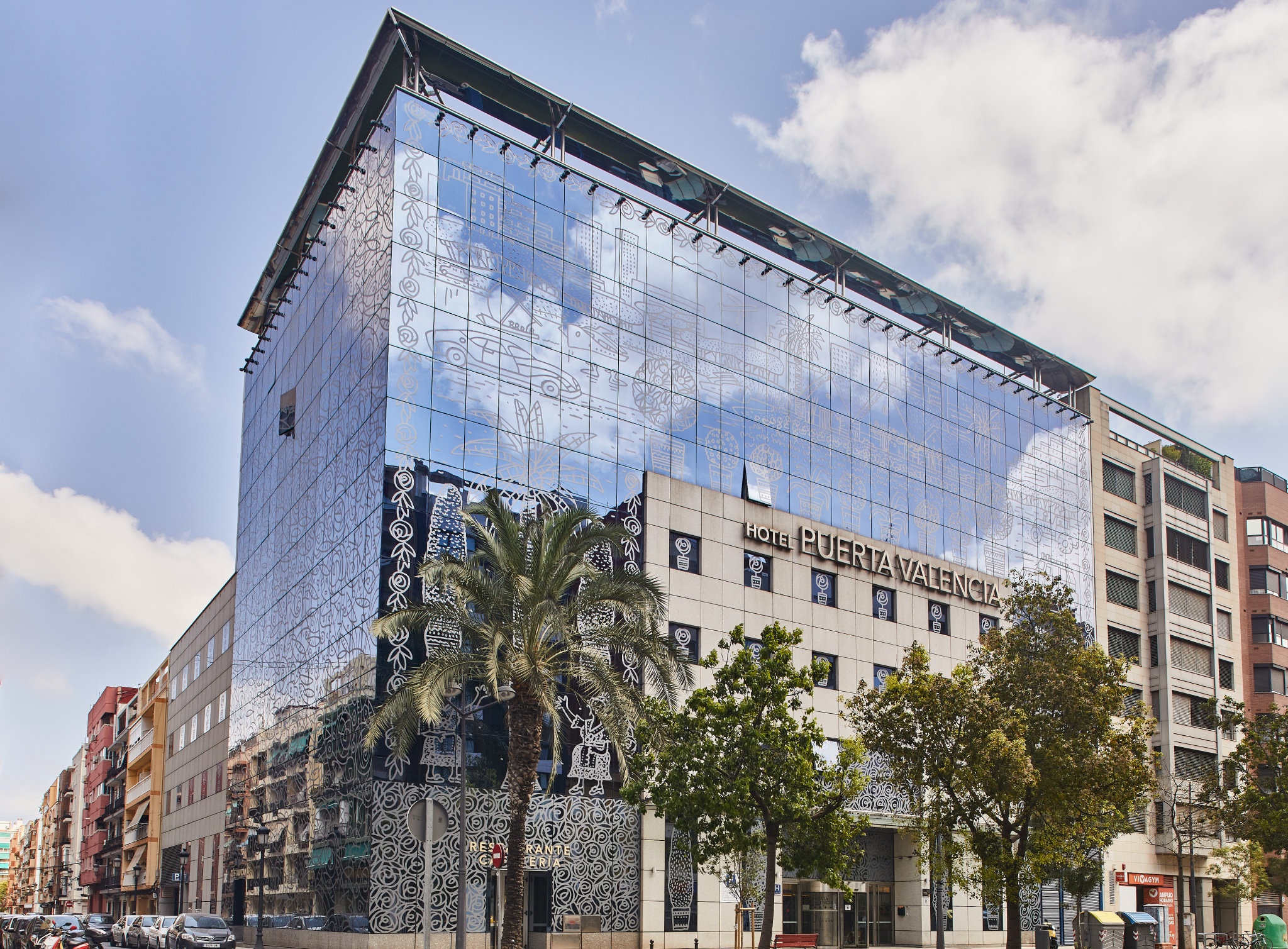
- We have worked on offices, housing, hotels, educational centres, retail premises and industrial assets.
- We manage LEED, BREEAM, WELL, SITES and Passivhaus certifications with a technical, economic, and commercial focus.
- Our methodology has helped to achieve over €500,000 saved on investment costs in a large-scale BREEAM project.
- We increase the value of your assets through sustainability.
They already trust us.




Success stories
We support national and international clients on projects where sustainability is a key consideration real value for the asset, users and investment.
Frequently asked questions about LEED certification
1. What is LEED certification?
LEED is one of the most internationally recognised building sustainability certifications, especially in markets outside Europe. It assesses aspects such as energy, water, materials, indoor environmental quality, location, innovation and project management. It is particularly useful for assets with an international or institutional focus.
2. When does it make sense to certify a building with LEED?
LEED can be especially advisable in offices, hotels, corporate headquarters, high-end interiors, international projects and assets aimed at funds, multinational companies or users with demanding ESG policies. Its global recognition facilitates the communication of the building's environmental performance.
3. Does LEED make the project much more expensive?
It depends on the stage at which it is incorporated and the level of certification sought. If integrated from the outset, many strategies can be addressed through good design, coordination and documentation decisions. Evalore prioritises credits with real value and avoids costly measures that do not provide sufficient technical, economic or commercial return.
4. What does LEED offer compared to other certifications?
LEED brings international recognition, a robust methodology and a clear interpretation for investors, corporate occupiers and global markets. It can be especially powerful when the client needs a certification that is easily recognisable outside the European context.
5. What LEED certification levels exist?
LEED establishes different levels depending on the score achieved: Certified, Silver, Gold and Platinum. Evalore helps to define from the outset which level is realistic and appropriate, considering cost, technical difficulty, commercial value and the client's objectives.
6. What role does energy modelling play in LEED?
Energy simulation can be key to justifying credits, optimising design and improving the energy performance of the building. At Evalore, we use it not only to achieve certification, but also to identify savings opportunities in investment, operation and emissions.
7. Can LEED be combined with other certifications?
Yes. LEED can be combined with WELL, SITES or other sustainability frameworks. The key is to coordinate the requirements well to avoid duplication and take advantage of synergies between certifications, especially in energy, materials, indoor environmental quality, water and project management.
Other Environmental Certifications


Define the ESG roadmap for your asset or portfolio
Tell us where your project stands and we will help you identify priority actions for Improve environmental indicators, advance decarbonisation, and align with European regulatory and financial requirements.