
European Taxonomy and DNSH for real estate assets
At Evalore we help developers, investors, owners and financial institutions evaluate the alignment of their assets and projects with the EU Taxonomy and demonstrating compliance with the DNSH principle (Do No Significant Harm).
What is the European Taxonomy?
The European Taxonomy is a classification system developed by the European Union to define which economic activities can be considered environmentally sustainable.
Its objective is to create a common framework that facilitates the mobilisation of investment towards activities that contribute to the ecological transition, providing clear and comparable technical criteria for businesses, investors and financial institutions.
In the real estate sector, the European Taxonomy has become a benchmark for sustainable financing processes, ESG reporting, risk management and asset valuation.
For an activity to be considered aligned with the Taxonomy, it must:
- Make a substantial contribution to one of the environmental objectives defined by the European Union.
- Do no significant harm (DNSH) to the other environmental objectives.
- Meet the minimum social guarantees established by regulations.
To which real estate activities does it apply?
The European Taxonomy covers various activities related to the construction sector and the real estate market.
Among the most common are:
New building construction
New-build projects that must meet specific energy efficiency and environmental sustainability criteria.
Renovation and refurbishment of existing buildings
Actions aimed at improving the energy and environmental performance of buildings through rehabilitation or refurbishment works.
Acquisition and ownership of buildings
Assessment of existing real estate assets to determine their degree of alignment with the requirements defined by the European Taxonomy.
Other activities of the construction and real estate sector
The European Commission establishes specific criteria for various activities linked to the life cycle of buildings and real estate asset management.
DNSH: Do No Significant Harm
It is not enough to contribute to an environmental objective
One of the most relevant aspects of the EU Taxonomy is the DNSH (Do No Significant Harm) principle.
This principle states that an activity cannot be considered sustainable solely because it contributes to one environmental objective. It must also demonstrate that it does not cause significant harm to any of the other environmental objectives defined by the European Union.
For example, a building may exhibit excellent energy performance and contribute to climate change mitigation, but fail to comply with DNSH if it has significant impacts on biodiversity, water resources or pollution prevention.
For this reason, the DNSH assessment requires a comprehensive view of the project and its environmental performance throughout its entire life cycle.
Environmental objectives that must be analysed
The role of Level(s)
A technical tool for generating information and evidence
Level(s) is a framework developed by the European Commission to assess and report on the sustainable performance of buildings throughout their life cycle.
Although it is not part of the EU Taxonomy nor does it constitute a compliance certification, it provides indicators and methodologies that may prove useful for gathering environmental information and structuring evidence related to certain sustainability requirements.
For this reason, it can be used as a support tool within broader environmental assessment processes.
Working methodology
Phase 1 Initial diagnosis
We analyse the asset or project, the available documentation and the activities potentially subject to the European Taxonomy.
Stage 2 Technical evaluation
We reviewed the applicable technical criteria and identified potential compliance gaps and DNSH requirements.
Phase 3 Analysis and collection of evidence
We organise the necessary information to justify compliance with the evaluated criteria.
Stage 4 Proposal for improvement
We define actions that enable an increase in the level of alignment of the asset with the applicable requirements.
Stage 5
Final reportWe draw up a technical report with the results obtained and available evidence for funding processes, ESG reporting or decision-making.
Why Evalore?
- We are a Specialist sustainability consulting applied to real estate.
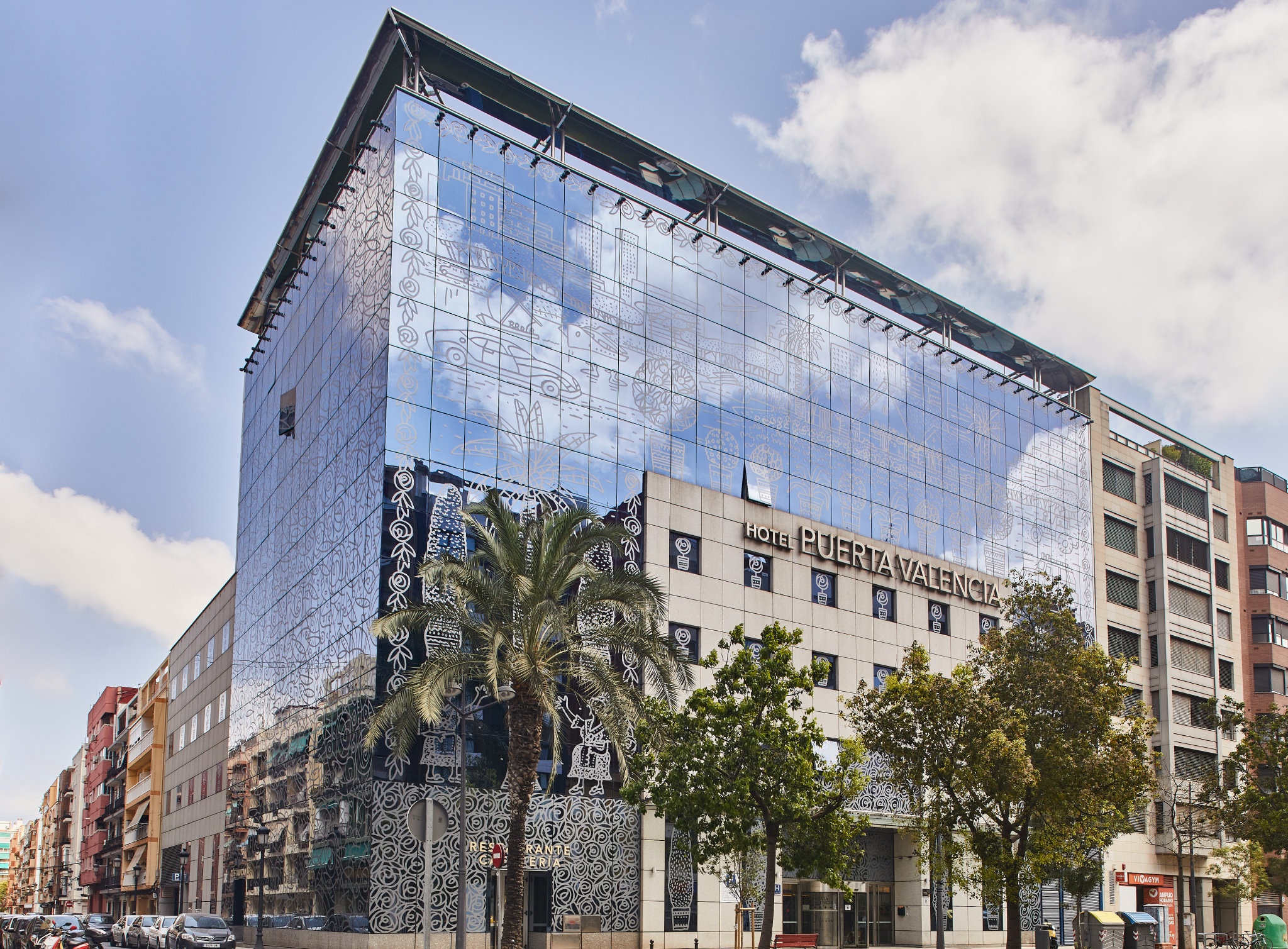
- We have worked on offices, housing, hotels, educational centres, retail premises and industrial assets.
- We manage LEED, BREEAM, WELL, SITES and Passivhaus certifications with a technical, economic, and commercial focus.
- Our methodology has helped to achieve over €500,000 saved on investment costs in a large-scale BREEAM project.
- We increase the value of your assets through sustainability.
They already trust us.







Success stories
We support national and international clients on projects where sustainability is a key consideration real value for the asset, users and investment.
Frequently asked questions about the LEVEL(S) standard
1. What is Level(s)?
Level(s) is a common framework for assessing and reporting on the sustainable performance of buildings throughout their entire life cycle. It was created by the European Commission and predates the EU Taxonomy.
2. Is Level(s) a certification?
In the uploaded documents, Level(s) is not defined as a certification, but as a common evaluation and reporting tool or framework. Therefore, the correct term to use is alignment with Level(s) or application of the Level(s) framework.
3. How many objectives does Level(s) have?
Level(s) is based on six macro-objectives, which can be monitored through sixteen indicators.
4. How does Level(s) relate to the EU Taxonomy?
Level(s) contains clear indicators and guidance that facilitate the path towards alignment with the six objectives of the EU Taxonomy.
5. At what stages of the building can it be applied?
The documents indicate that Level(s) can be applied throughout the life cycle of a building and that there are 3 Level(s).
6. What does Level(s) bring to an ESG strategy?
Level(s) allows the sustainable behaviour of buildings to be ranked using indicators and connected to the European Taxonomy. This helps to understand the environmental performance of the asset and to define the actions required to improve relevant indicators, comply with European regulations and respond to financing requirements.
Other Environmental Certifications




Do you need to assess your project's alignment with the EU Taxonomy?
Tell us the current stage of your project or asset and our team will help you identify the applicable criteria, evaluate the DNSH requirements and define the best strategy for your property asset or project.