BLOG

Life Cycle Assessment of Buildings: Sustainability and Resource Efficiency

Whole Building Life Cycle Assessment (LCA) evaluates the environmental impacts of a building throughout its lifespan, from the extraction of raw materials for its construction to its eventual demolition and waste disposal. This has a significant impact on both the environment and long-term costs. Would you like to know more about how this methodology can drive sustainability and reduce the costs of your project? In this article, we will explain it to you!
Leer más »

BREEAM International New Construction: Do you want to certify a project outside of Spain?

Si vas a desarrollar o certificar un proyecto fuera de España, BREEAM International New Construction es uno de los estándares más utilizados y prestigiosos. Este artículo lo explica con enfoque práctico: cuándo aplica, cómo se calcula el rating, qué cambia en V7 y cómo organizar una matriz de evidencias, responsables e hitos para llegar a la certificación sin imprevistos. Evalore te acompaña para que el proceso sea predecible, eficiente y defendible, desde el diseño hasta la certificación final.

Leer más »

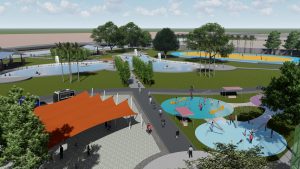
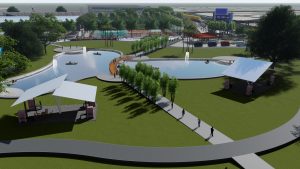
The SITES certification programme is a comprehensive rating system and tool that is recognised globally for creating sustainable land design and landscapes. It provides a framework for planning, building, operating, and maintaining sites that are ecologically sound, economically viable, and socially beneficial. The SITES certification can significantly impact the design of urban spaces by encouraging and rewarding practices that: * **Enhance Ecosystem Services:** SITES promotes designs that protect and restore natural processes, such as stormwater management, soil health, biodiversity, and water conservation. This can lead to urban areas with better air and water quality, reduced urban heat island effects, and healthier ecosystems. * **Promote Resilience:** By focusing on sustainable water management, soil health, and native plant species, SITES helps create urban landscapes that are more resilient to climate change impacts like drought, flooding, and extreme weather. * **Improve Human Well-being:** SITES certified projects often incorporate features that enhance the quality of life for urban dwellers. This includes creating accessible green spaces, improving microclimates, reducing noise pollution, and providing opportunities for recreation and community interaction. * **Reduce Environmental Impact:** The certification encourages the use of sustainable materials, reduces waste in construction and maintenance, conserves energy, and minimises the use of chemicals, thereby lessening the overall environmental footprint of urban development. * **Foster Innovation:** The SITES framework pushes designers and developers to think creatively about how urban spaces can be more sustainable. This can lead to innovative solutions in areas like water harvesting, permeable paving, green roofs, and the integration of natural systems into built environments. * **Provide a Benchmark for Sustainability:** SITES offers a clear set of criteria and a verifiable rating system, allowing cities and developers to benchmark their progress in creating sustainable urban environments and demonstrate their commitment to environmental stewardship. In essence, SITES certification encourages urban spaces to be designed not just as places for people, but as integrated parts of the natural environment, benefiting both human populations and the planet.

Cada vez más, crece la conciencia sobre la importancia de preservar nuestro medio ambiente. En consecuencia, la certificación SITES emerge como una herramienta esencial para

Leer más »

What's new with LEED v5?

Descubre cómo la certificación LEED v5 está liderando el camino hacia la sostenibilidad en la construcción. Esta versión actualizada del sistema LEED establece nuevos estándares

Leer más »