We live in a globalised world in which interoperability between people and businesses globally is already part of everyday life. We are part of the digital revolution. The theory of six degrees (which explains that we are connected to anyone on the planet through no more than 5 acquaintances) can now be reduced to four thanks to the development of telecommunications, and more specifically the internet. This is a clear example of the increasingly exponential trend towards global digitalisation through the use of online profiles and platforms. The terrible tragedy of COVID-19 has also shown us just how connected we are to one another nowadays. This connection has materialised in the architecture sector through the BIM methodology.
The BIM Methodology
The BIM methodology, as part of the digital revolution, forms part of globalisation in terms of workflows and the connection between its stakeholders. The BIM methodology is a means by which different teams located in different places are connected with very clear objectives: the reduction of timeframes and costs, and a substantial improvement in quality, where distance is no longer measured in kilometres.
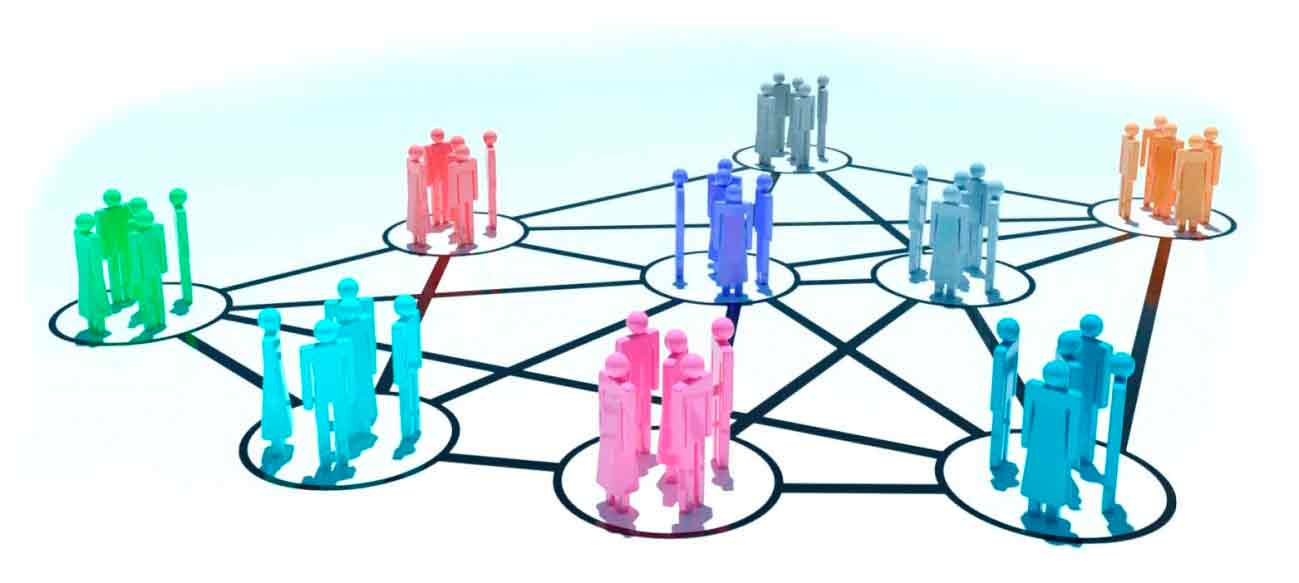
Theory of six degrees written by the Hungarian writer Frigyes Karinthy in 1929
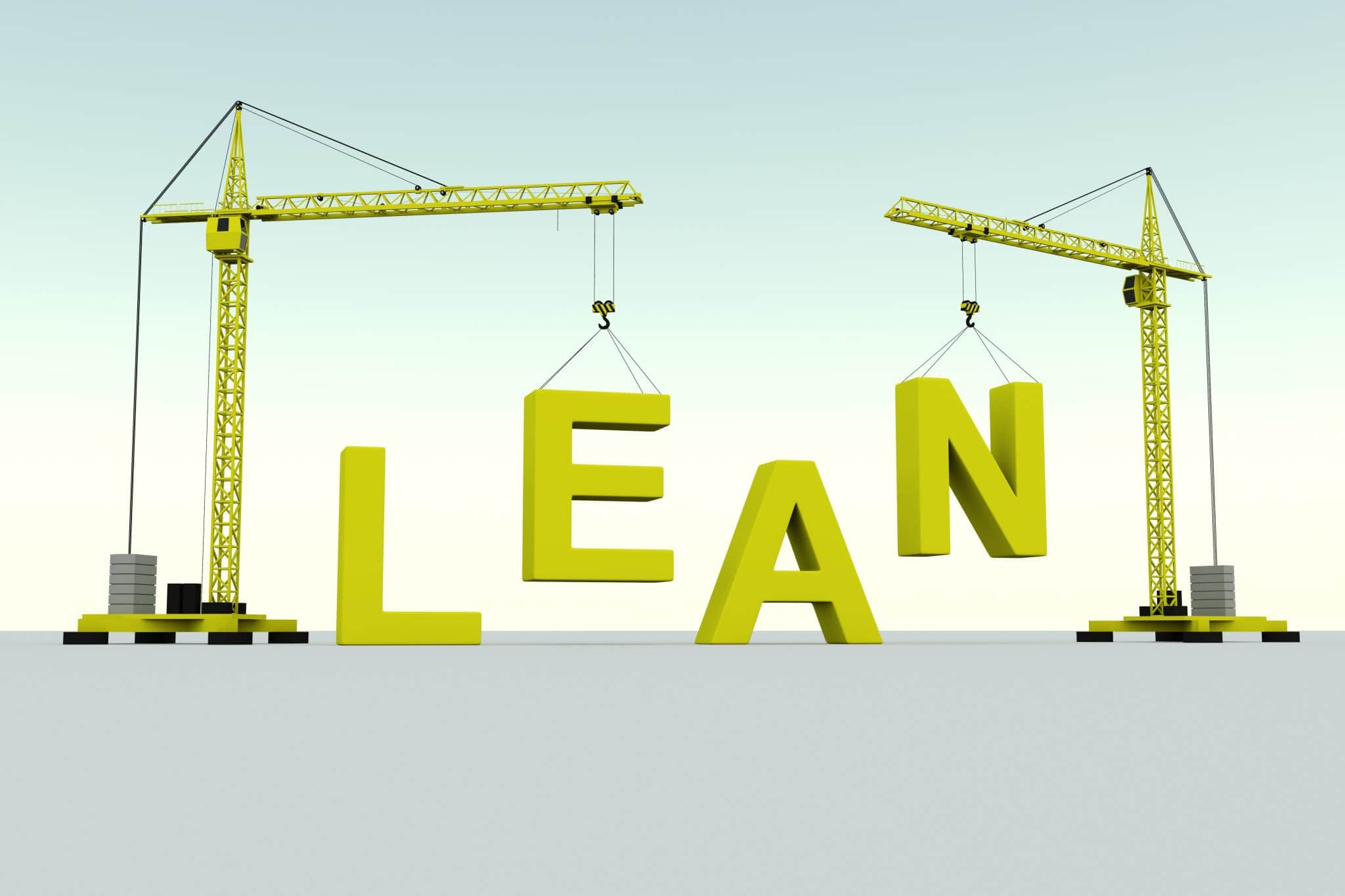
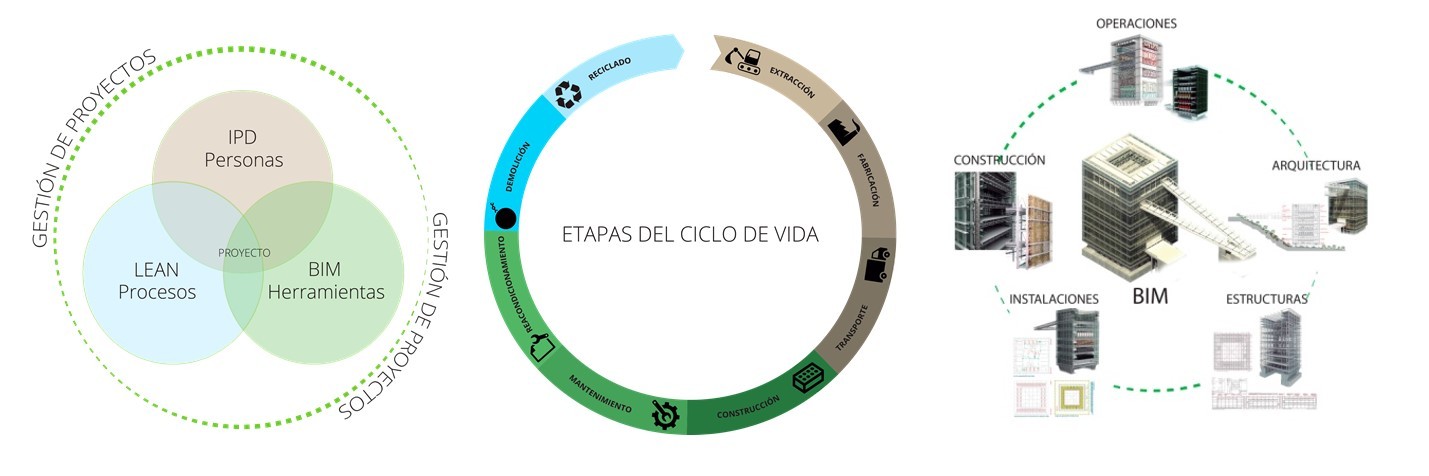
The BIM methodology organises people, tools and processes. Based on a collaborative environment for project management, by means of a digital model, it makes it possible to manage the elements that comprise it throughout its entire life cycle, being much more efficient by including designers, constructors, suppliers and other agents involved in the said building. The methodology Lean Construction and the various sustainability and health certifications such as LEED, BREEAM, Passivhaus o Alright They are perfectly compatible with the BIM methodology. In fact, BIM places a series of tools and processes at the service of these certifications that facilitate their achievement.
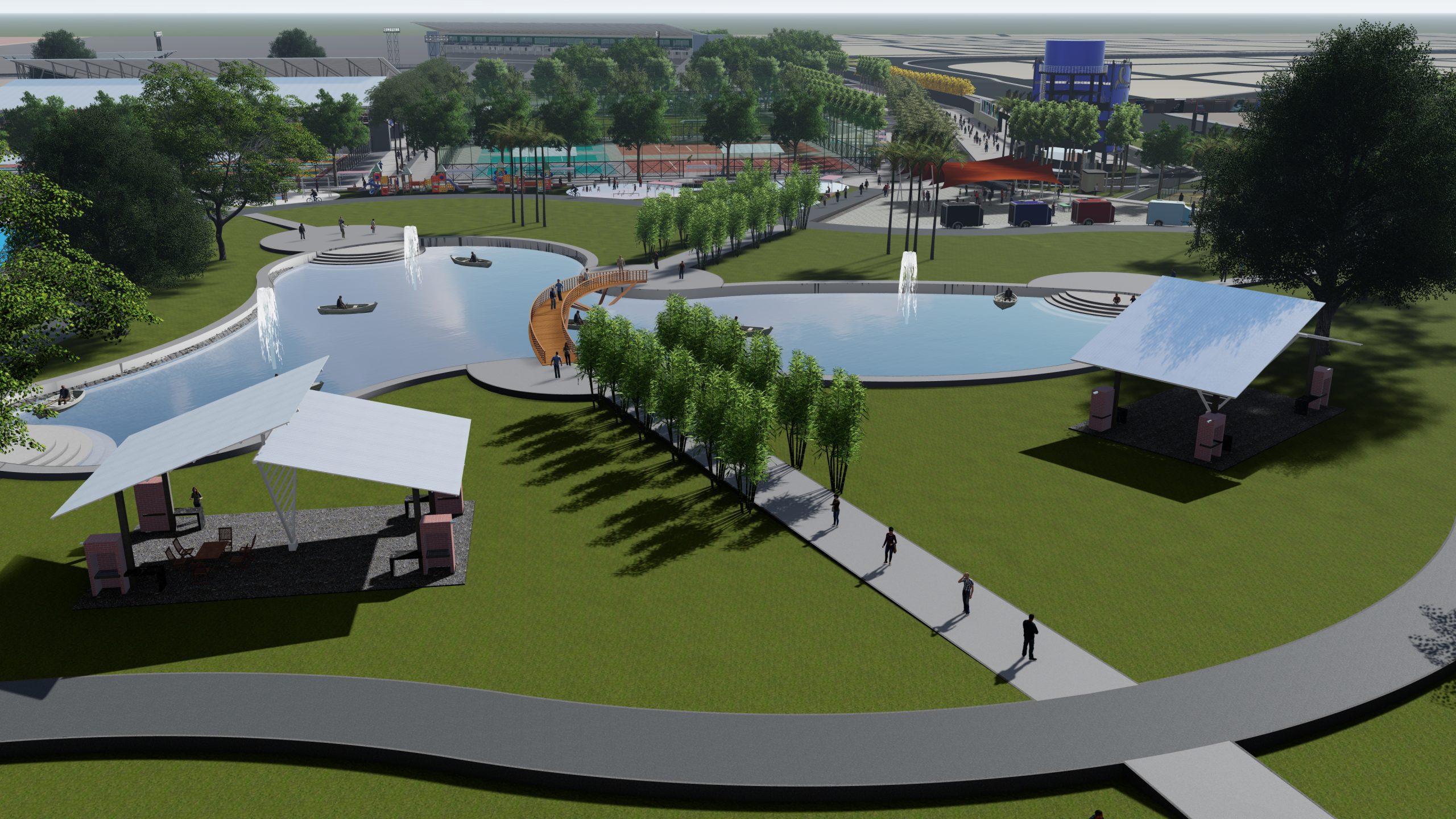
We are generating lifestyles that involve connecting everything. With Smart Cities, and through the use of the BIM methodology and GIS (geographic information systems to collect, manage and analyse data), it is possible to connect different buildings, as well as organisations and public spaces within cities, providing them with analysis tools and, most importantly, connecting people in a much more collaborative way.
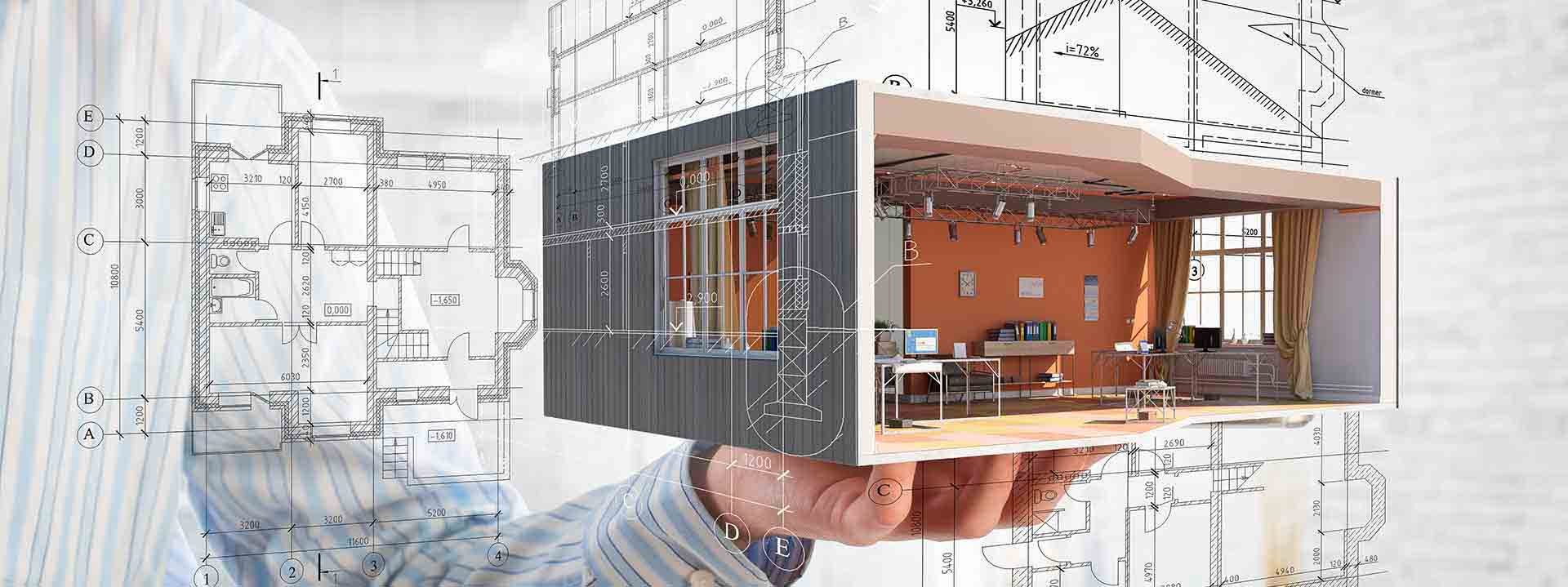
In the BIM methodology, a digital model enables the management of a building throughout its lifecycle.
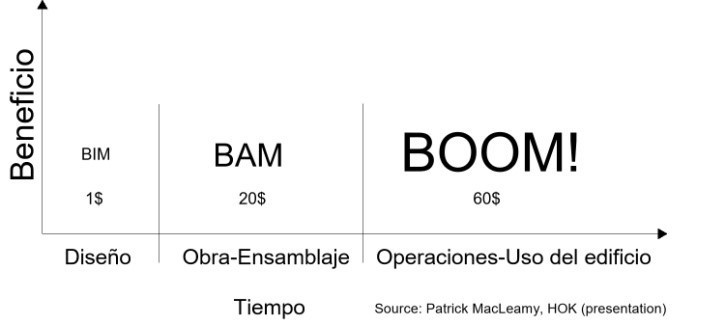
The BIM-BAM-BOOM
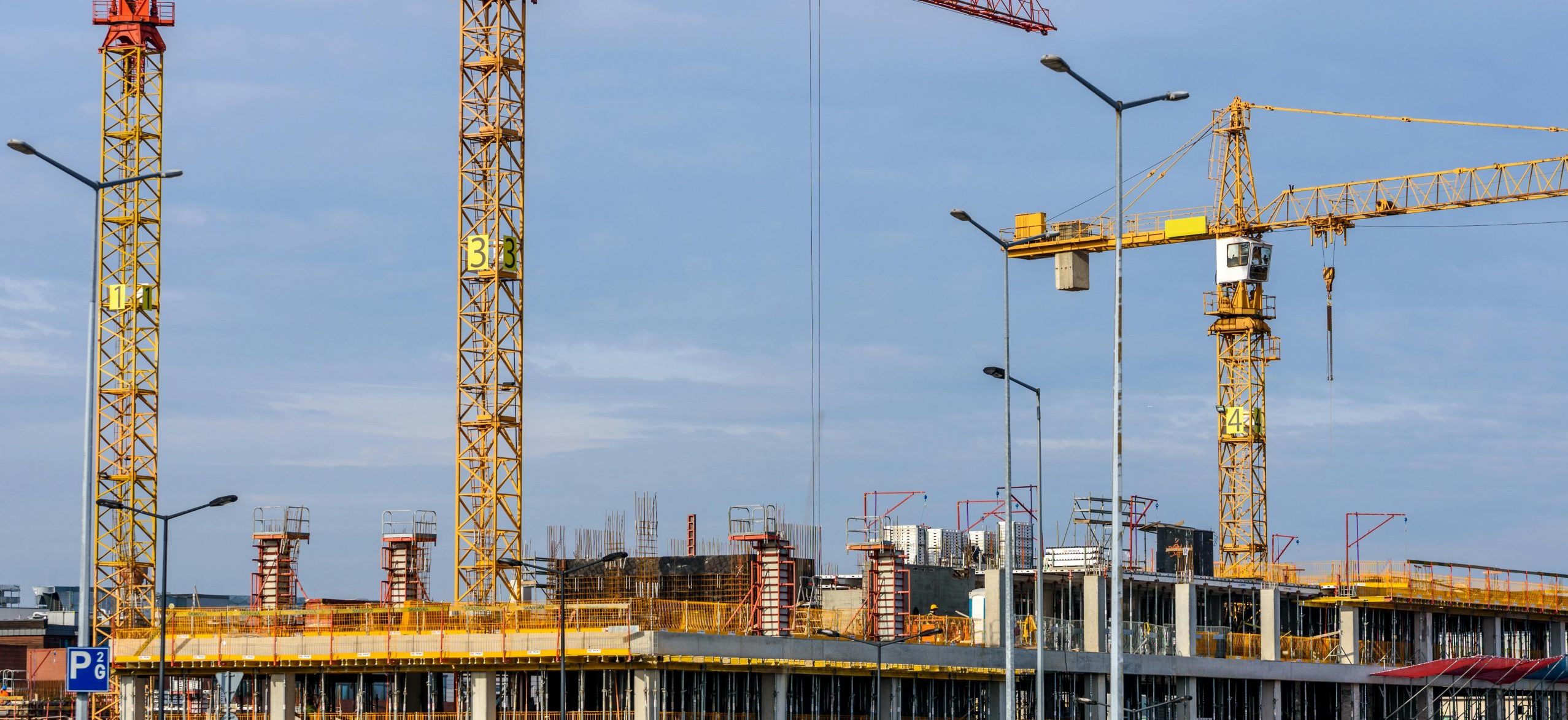
The application of the BIM methodology over time is fundamental. The “BIM-BAM-BOOM”, an acronym adopted by Patrick MacLeamy, represents in intuitive and quantitative terms the weight of the different tasks in the three most significant phases of a building's lifecycle.
BIM represents the initial project modelling, BAM, the building assembly (or building assembly) and BOOM the operation phase (or building operation). Patrick MacLeamy asserts that for every dollar invested in the design phase, another twenty are spent during the assembly or construction phase and sixty during the building's operational lifespan, assuming a fifty-year lifespan. Knowing this fact and managing through a virtual model allows us to optimise costs.
Benefits of the BIM methodology
The BIM methodology does not replace existing methodologies. More efficient tools are provided throughout the construction process with a different way of approaching its various phases. The BIM methodology is based on the use of information-containing models that support decision-making through a collaborative working process, creating automation in project development by standardising elements and processes.
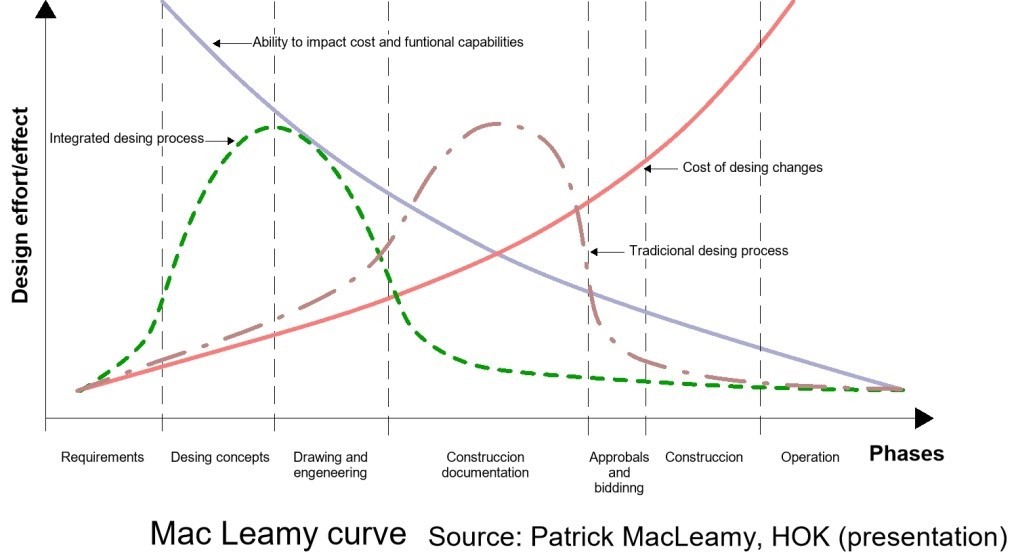
BIM methodology reduces costs. This methodology involves an increase in workload during the initial design phases, which allows for change management in later stages, minimising the impact of modifications and unforeseen events that would entail a high cost in those phases.
The BIM methodology allows easy access to models for all users. Through the standardisation of BIM projects, guidance and support are provided to the various technical teams by defining the processes they must follow to create, update and use the information model, enabling these models to be easily accessible to all users.
BIM methodology achieves greater project control. The use of the different BIM tools provides us with more exhaustive control of the measurements, the budget and the project itself throughout its development, anticipating potential problems during construction.
BIM methodology achieves greater project control by anticipating potential problems during construction
BIM models provide greater consistency in information. A BIM model is compatible with various calculation, analysis, coordination and visualisation software, giving the model greater information consistency. As it is also a single information repository, there is greater coordination between the different disciplines (architecture, structure and MEP) and with the other stakeholders throughout the building's lifecycle.
A BIM model improves decision making, timescales and the suitability of changes. Ambiguities and errors are reduced by anticipating potential site issues through clash detection and analysis between elements.

A BIM model improves the storage and use of information. As it is a single repository of information with a single container for that information through the BIM digital model, everything is much more organised and accessible, eliminating errors due to duplication, loss of documentation or simply not locating the source of that information.
BIM methodology provides support in decision-making. A BIM model improves the ability to react to unforeseen events and communication between the stakeholders involved, ensures consistency between the different disciplines, and supports the transfer of information from the start of design to the operation and maintenance phase.
The BIM methodology is very prominent and in continuous evolution. Nowadays, another methodology cannot be conceived given its multiple benefits and the great interoperability it offers at all scales. Turning our backs on this methodology is not turning our backs on the future, it is turning our backs on the present. With the incorporation into AI (artificial intelligence) models, among other things, we would already be talking about the 5th digital revolution, which is increasingly present.
En Evaluate We can help you integrate the BIM methodology into your project, getting the most out of the design, reducing costs and facilitating the implementation of other standards such as Lean Construction, WELL, LEED or Passivhaus. Contact us for further information!

Juanjo Rodríguez
Architect and BIM specialist