“Sometimes I get the feeling that my employees are simply waiting for the clock to strike half past six in the evening so they can get up and leave.” This is what my friend Toni recently told me. Toni had just been promoted to manager at a multinational based in Barcelona.
According to 2015 data, countries such as France, the Netherlands, Belgium, Denmark, Sweden, Austria, the United Kingdom and Germany have productivity rates higher than that of Spain. This will not surprise many and seems to be in line with the stereotype people abroad have of us. The interesting thing is that, according to the OECD, despite having higher productivity, fewer hours are worked per year in all those countries than in Spain. In some quite a few fewer, such as in the case of Germany (1,371 hours compared to the almost 1,700 average per worker in Spain). The main cause of this low productivity is the existence of unhealthy and inflexible working environments that cause stress and decrease motivation. According to the 4th Adecco report, in 2015, workplace absenteeism alone associated with a stressful work environment resulted in losses worth more than 9 billion euros in Spain.
There is a clear relationship between an individual's physical, mental and emotional well-being, and their ability to commit to a common goal and perform at their full potential.
There is a clear link between an individual's physical, mental and emotional well-being and their ability to commit to a common goal and perform at their full potential. If we want to improve our companies' productivity rates, it seems obvious that we must change the current working model, and that involves increasing the well-being of our employees. The implementation of well-being measures or Wellness (as this trend that has been established for two decades in the US and Northern European countries is known) has to do with the generation of healthy habits at work, and also with the adaptation of spaces so that they work in favour of our health. The result will be not only an increase in productivity, but also a reduction in stress with a consequent boost in morale, a reduction in the flight of talent, and even the prolongation of your team's lives.
The WELL Building Standard
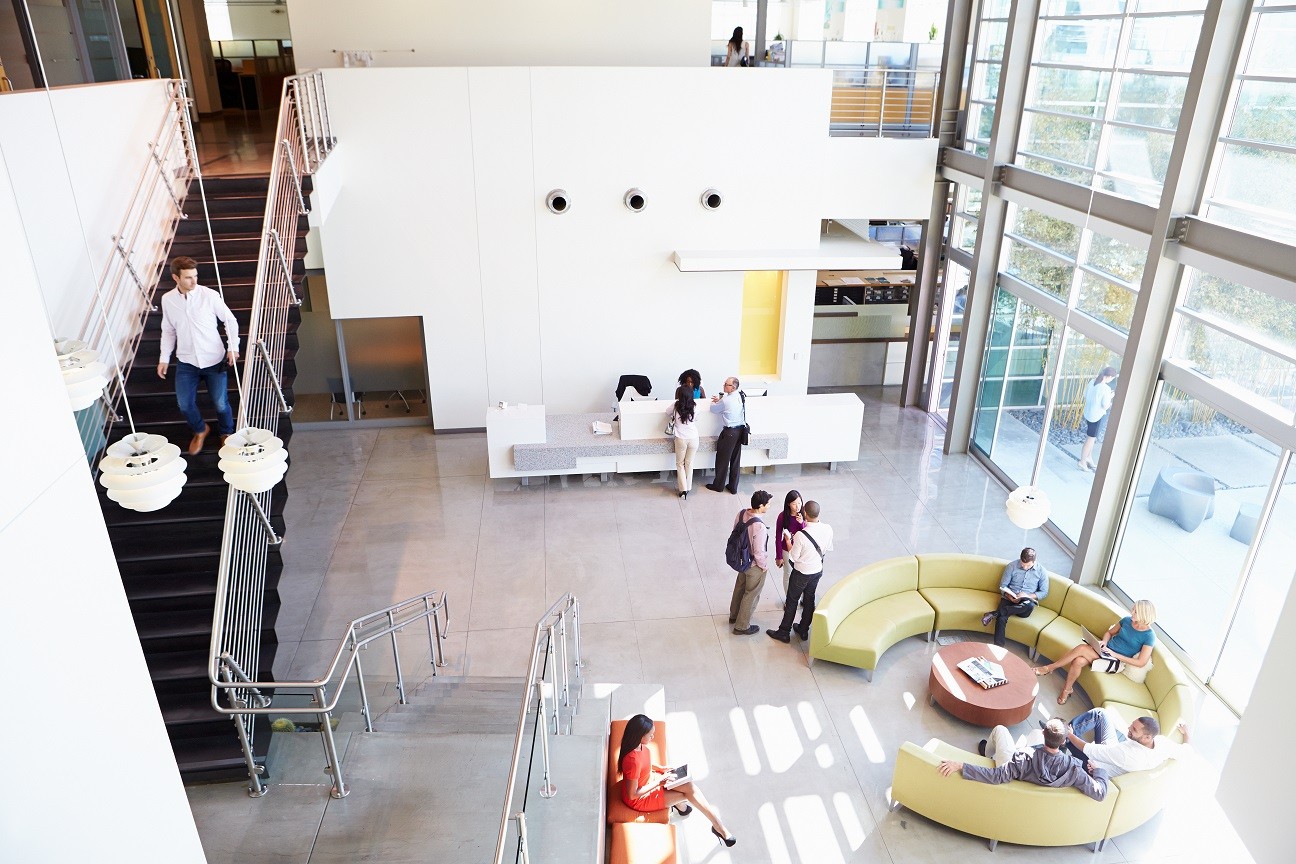
These issues have been addressed by the International Well Building Institute which, following 7 years of medical-scientific research, has launched the international certification WELL Building Standard with the aim of establishing well-being guidelines for built environments. At CBRE’s headquarters in Los Angeles – the first offices to be Well-certified – following the refurbishment, 94% of employees said the new space had had a positive impact on their work performance, and 92% said it had had a positive impact on their health and wellbeing.
In the first Well-certified offices, 94% of staff said that the new workspace had had a positive impact on their work performance.
These are some of the measures contemplated in the certification Well:
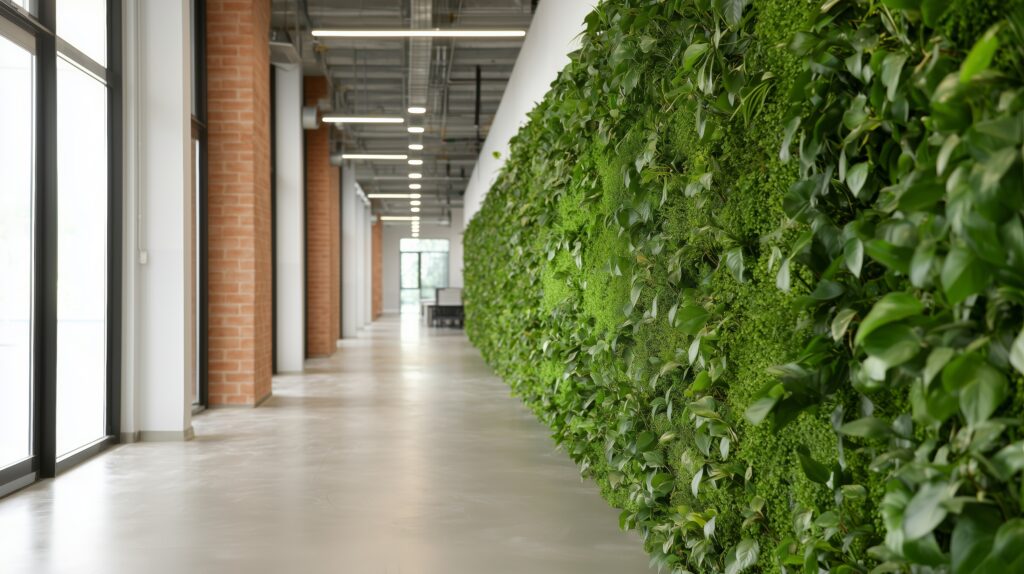
- The improvement of air quality through the optimisation of ventilation systems, the installation of filters and the use of materials that do not contain elements harmful to the human body
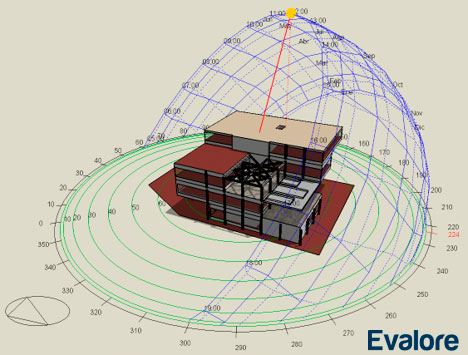
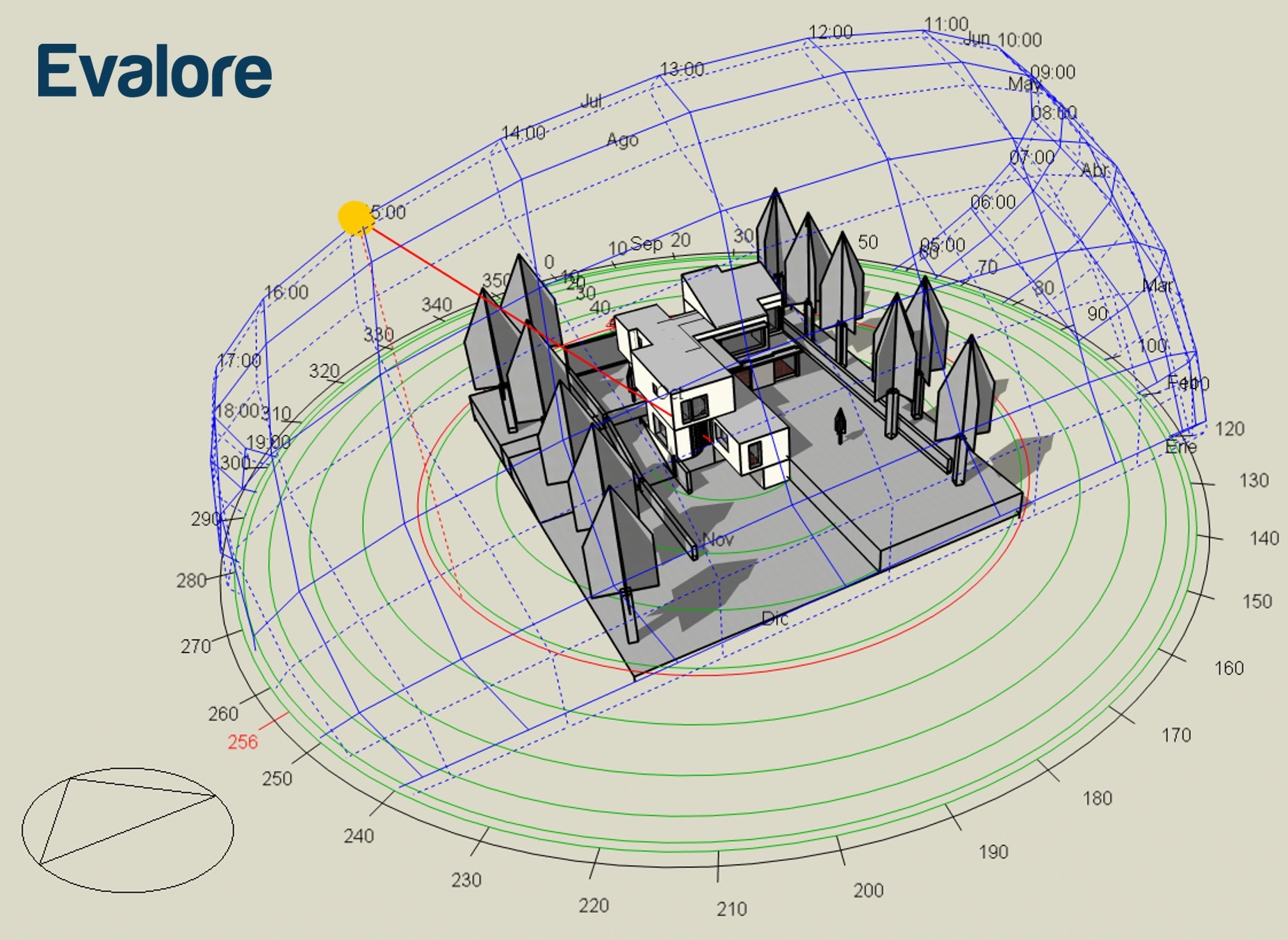
- The use of circadian lighting systems that mimic solar cycles to prevent the disruption of our biological cycle
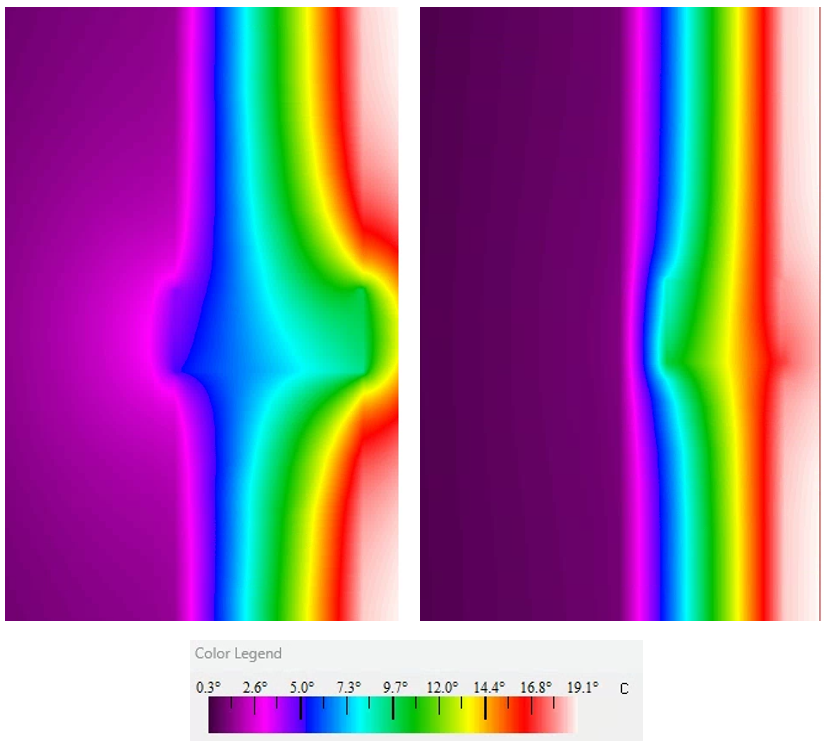
- The increase in individual comfort through improvements affecting acoustics, thermal sensation and ergonomics in the workplace
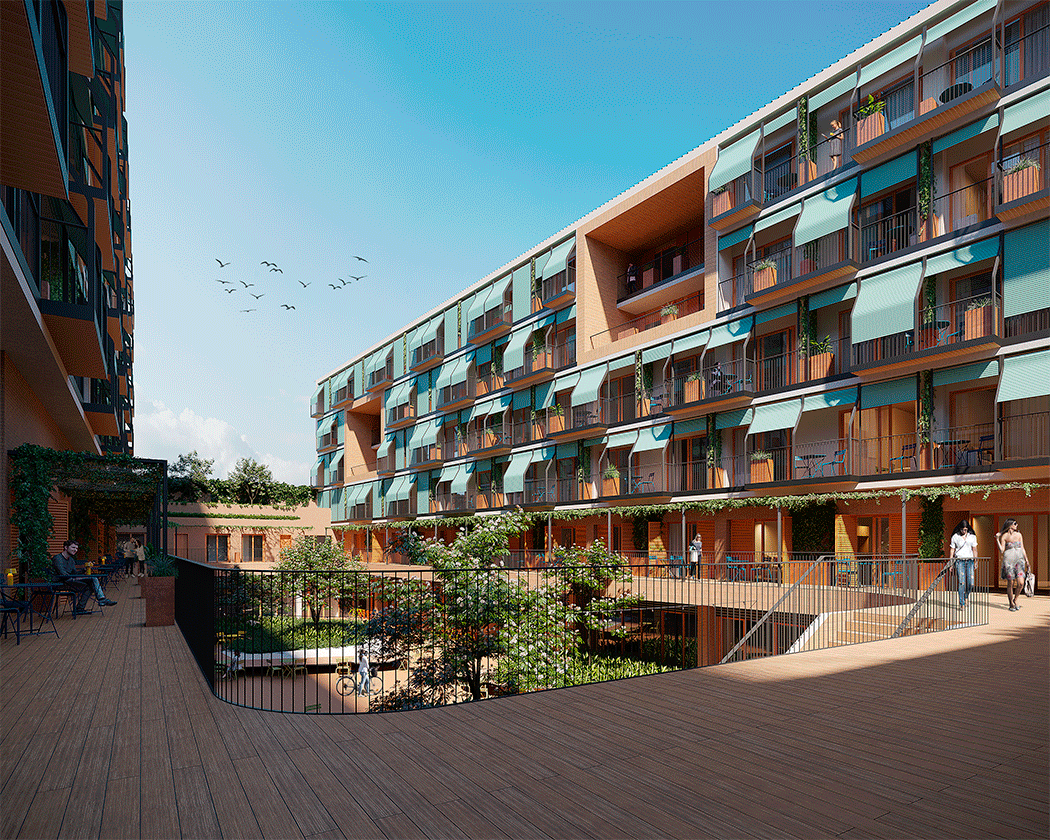
- The optimisation of environmental design to improve our perception of the place where we work. Design can also help to encourage physical activity.
- The implementation of labour policies that encourage a healthier lifestyle through improvements in areas such as nutrition, or work-life balance, thereby also improving employee engagement with the company
If you want to know more about how Wellness can help your company to be more productive, get in touch with us and we will help you put it into practice. Toni and the multinational he works for have already done so.