The Next Generation funds due to ongoing climate change, the effects of the pandemic and the impending energy crisis, building energy retrofitting represents a major opportunity for the construction sector., A set of European funds has been launched to stimulate the economy, technological change and the energy rehabilitation of buildings.
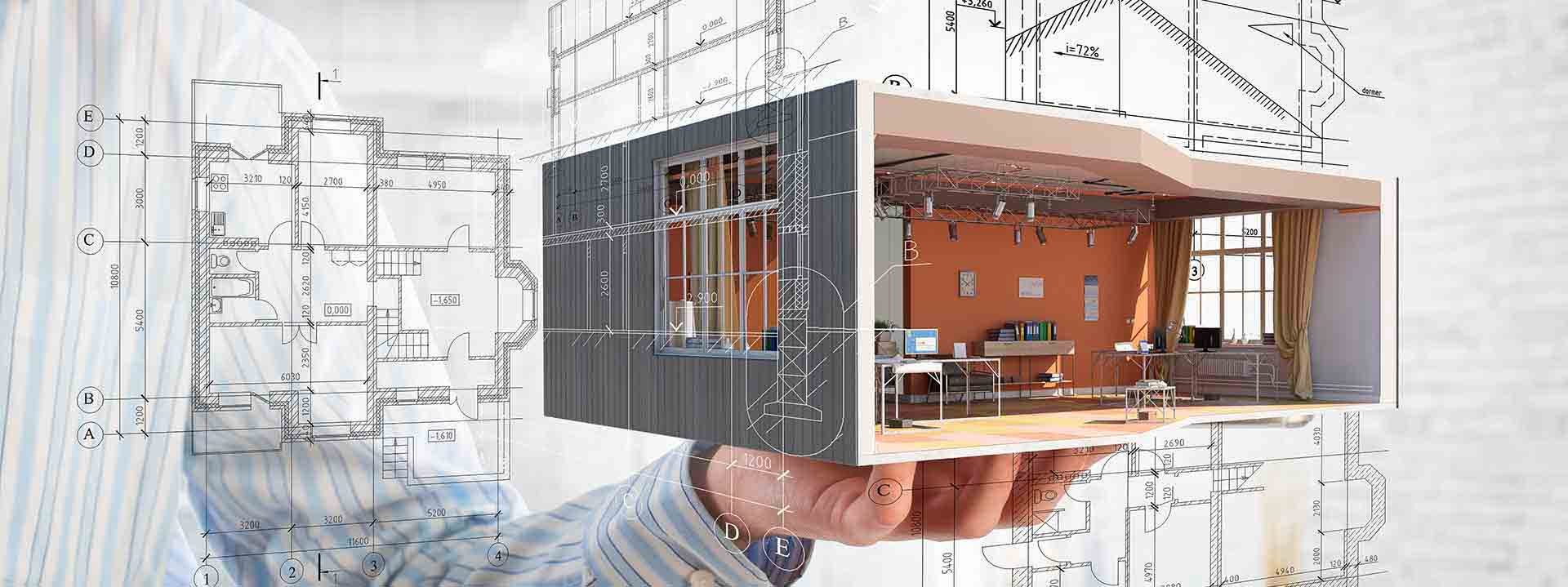
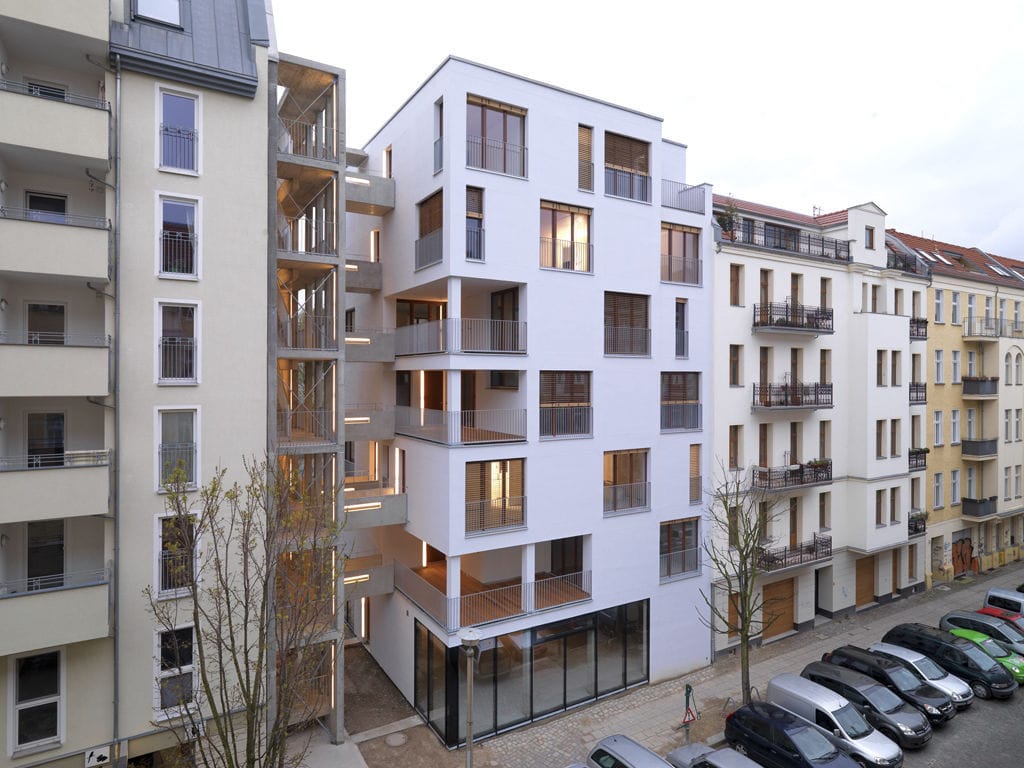
Everyone, from an estate agency to the owner of a modest rural home, can benefit from the resources aimed at encouraging the renovation of obsolete, inefficient and highly costly technologies.
In this article we will describe what are these new incentives called funds about Next Generation. We will explain why they are important for everyone and how EVALORE can help you in the processing of such rehabilitation grants.
What are the European Funds?
European funds are a set of resources aimed at investing in a healthy economy and a sustainable environment. Among the European funds are the European Structural and Investment Funds (ESI), which provide the most resources, the European Cohesion Funds and the European Regional Development Fund (ERDF).
European Funds are used in areas such as:
- Research and innovation
- Digital technologies
- Low-carbon economy
- Sustainable management of natural resources
- Small business support.
The general objective of the European funds is to transform the economy to make it more sustainable, digital and cohesive. Furthermore, from the year 2020 onwards, there were created European programmes Recovery and Resilience Facility to mitigate the effects of the pandemic. These programmes are run using Next Generation Funds.
In Spain, the management of the ESI Funds and the Next Generation Funds is the responsibility of Ministry of Finance and Civil Service.
What are the Next Generation Funds?
The Next Generation funds, along with the Multiannual Financial Framework, are the financial instruments to support the economic and social recovery from the effects caused by the COVID-19 pandemic. The Next Generation EU funds have 750,000 million euros to be allocated between 2021 and 2027. These European funds are applied to objectives related to sustainability, the implementation of renewable energies, energy retrofitting, among others.
In Spain, the activities financed by European funds are those that guarantee compliance with the Recovery, Transformation and Resilience Plan (PRTR) approved in 2021. For aspects related to energy rehabilitation, it is the Ministry for the Ecological Transition and the Demographic Challenge, through the IDAE, that announces, coordinates and monitors rehabilitation grants, which are managed by the Autonomous Communities.
¿Why Next Generation funds are important for the energy refurbishment of buildings?
A series of data points will help to understand the opportunities offered by the Next Generation funds under current circumstances:
- The building stock in Spain accounts for 30% of final energy consumption
- Only 0.3% of existing buildings have undergone energy-efficiency refurbishment works
- The sustainability of existing buildings is being promoted
- Wanted to support local authorities facing demographic challenges, which account for 12% of Spain’s total population
- They are aimed at small businesses and private individuals
- The aim is to stimulate the economy by encouraging technological change
What are the energy renovation grants funded by the Next Generation EU funds?
Current grants and subsidies as of March 2022
PREE 5000 Programme
It is an energy rehabilitation programme and reduction in final energy consumption and CO2 emissions in the building stock in municipalities facing demographic challenges. It encompasses actions ranging from changes to the thermal envelope, the replacement of thermal generation installations and the improvement in lighting energy efficiency. It is intended for individuals or legal entities, owners' associations, groups of owners, businesses, and local authorities.
Public building refurbishment promotion programmePIREP)
This Programme It aims to promote the sustainable refurbishment of public and institutional buildings for all types of public-use facilities: administrative, educational, care, sports, healthcare, cultural or public service buildings, etc. The projects to be funded must reduce non-renewable primary energy consumption by at least 30%. The aim is to provide funding for two categories of buildings:
- Line 1. For buildings to be refurbished whose work is officially received no later than 30 September 2024
- Line 2. For buildings to be rehabilitated whose work reception takes place no later than 31 March 2026
According to the Official Gazette, the deadline for applying for the grants from 11 March is:
- Forty-five calendar days for the Line 1 works
- Ninety calendar days for the Line 2 works
Grants pending renewal for 2022
PREE Programme
It is an energy rehabilitation programme aimed at reducing final energy consumption and CO2 emissions in existing buildings. It had a budget of 402,500,000 euros and remained in force until 31 July 2021. Just like the PREE 5000 Programme, subsidies are provided for measures to change the thermal envelope, replace thermal generation installations, and improve energy efficiency in lighting. It was aimed at natural or legal persons, owners' associations, groups of owners, businesses and local authorities.
EVALORE already has success stories from this programme!
Grants awaiting their launch in 2022
Rehabilitation programme for economic and social recovery in residential environments
It is a programme belonging to the Recovery Plan. Its objective is to achieve more than 510,000 housing renovation actions by 2026. This programme includes six grant subprogrammes:
- The renovation of housing and regeneration of public spaces in neighbourhoods with transformation needs
- Support for the rehabilitation offices
- Building refurbishment
- Improving the energy efficiency of homes
- The drafting of refurbishment projects and the preparation of the Existing Building Book (LEE)
- The promotion of social rental housing in energy-efficient buildings.
Aid prior to the Next Generation Funds aid framework
PAREER II Programmes
This was the second call for applications under the grant scheme for the energy-efficiency refurbishment of existing residential buildings. It remained in force until 2018. Under this grant scheme, a non-repayable grant was awarded amounting to between 20% and 30% of the eligible cost, supplemented by a repayable loan at Euribor + 0%, with a maximum repayment term of 12 years, including a 1-year grace period.
PAREER-CRECE schemes
This was the first round of the grant scheme for the energy-efficiency refurbishment of existing buildings. It remained in force until 2016. Under this grant scheme, a non-repayable sum of between 20% and 30% of the eligible cost was awarded, supplemented by a repayable loan at Euribor + 0%, with a maximum repayment term of 12 years and a 1-year grace period. It is worth noting that the grant amount per application was €120,000.
¿How can you apply for the energy efficiency grants from the Next Generation EU Funds?
Each energy rehabilitation aid programme has a number of steps for the applicant to follow. In this regard and in general terms, the steps are as follows:
- The person, community, legal representative or rehabilitation agent must collect the identity and project information documents
- They must be draft descriptive reports for both the project and the energy savings resulting from the refurbishment
- One must calculate the amount of financial assistance to be requested. To this end, quotes must be provided and the eligible items located
- The documentation must be attached via the platforms relating to the management of aid and grants of each autonomous community
- We are now moving on to the justification phase, where invoices, photographic records and other documents are provided.
Due to the complexity of sorting and preparing the necessary documentation, generally, a specialised consultancy and sustainability company is hired to manage all the necessary documentation to grant the subsidy, as is the case with EVALORE.
At EVALORE we have extensive experience in energy consultancy and the management of international certifications such as LEED, WELL, BREEAM and Passivhaus. Therefore, we can help you simplify the process of managing energy efficiency grants.
Although the appearance of this series of grants is very recent, at EVALORE we already have success stories of projects which have been awarded the requested subsidies.
¿What is the role of EVALORE as a rehabilitation agent?
The rehabilitation agent it is a figure that will help manage the processing of energy efficiency grants aimed at residential sectors. According to the Royal Decree for the PRTR A rehabilitation agent is considered to be:
“...the natural or legal person, or public or private entity that may carry out actions to promote, monitor, manage public aid, access financing, prepare documentation or technical projects or other actions necessary for the development of the rehabilitation or improvement actions that may be eligible for funding through any of the programmes set out in this royal decree.”
In conclusion, a renovation agent simplifies the process and centralises management. With the help of EVALORE, the efficiency, security and assurance of the processing procedure are significantly increased.
As well as acting as an adviser for grant management, At Evalore we are also specialists in implementing various international certifications like the WELL Certification, Passivhaus, BREEAM, LEED, among others. To this list we must add the Spanish certification Airfirst, I seal with the same intention and purpose as the WELL Health-Safety Rating.
En Evalore Spaces we can help your house, community or building to qualify for energy renovation grants. Do not hesitate to get in Contact us.

Israel Leal Vegas
Architect, Evalore Spaces