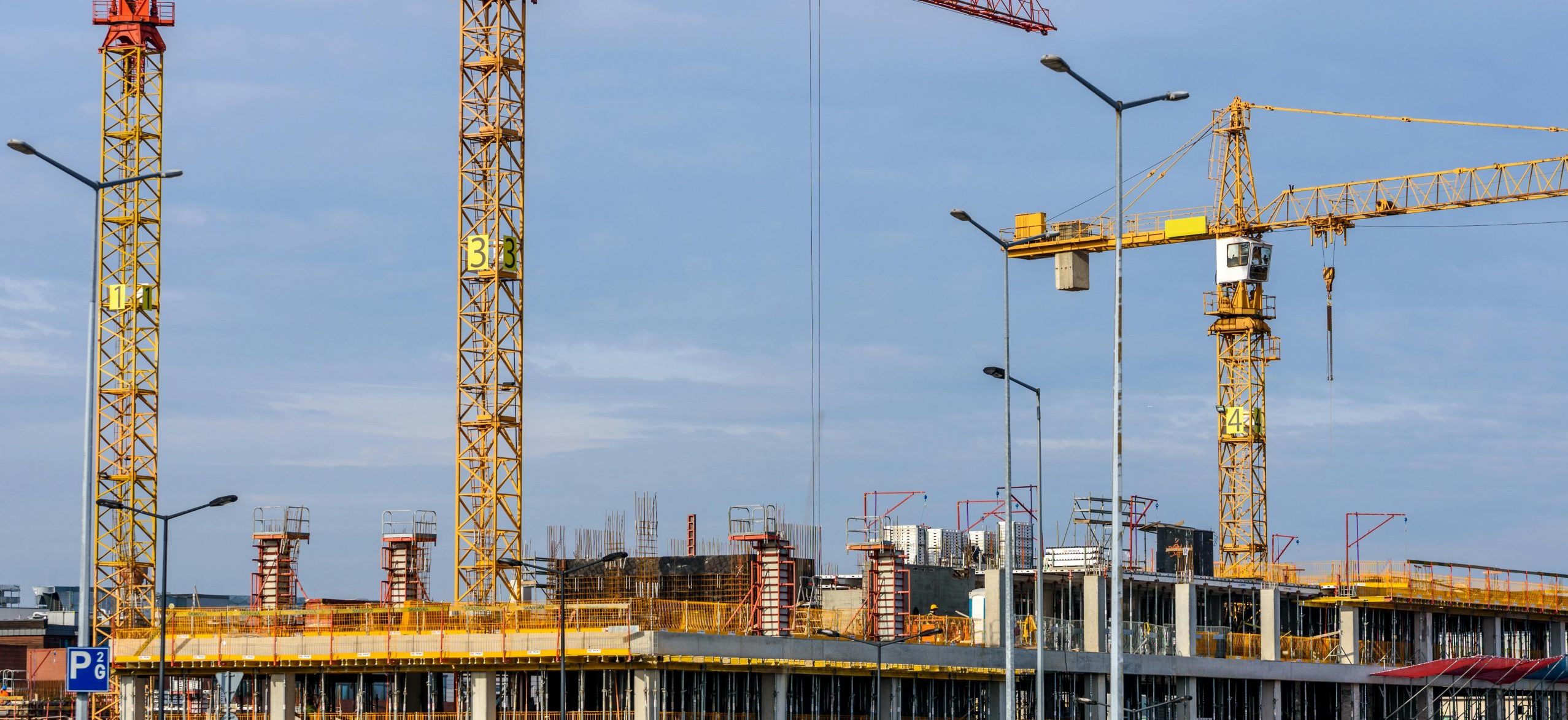
According to data presented at the 2015 Paris Climate Conference, the commercial and residential construction sector accounts for 39% of CO₂ emissions into the atmosphere, generates 30% of solid waste and is responsible for 20% of water pollution. The influence of our buildings on the future of our society is, therefore, abundantly clear; and it is against this backdrop that the unstoppable trend towards sustainable, energy-efficient and low-environmental-impact buildings has emerged. In this article, we will explain why LEED certification is the best option for achieving this goal.
What exactly is LEED certification?
LEED stands for “Leadership in Energy and Environmental Design”. This certification, created by the U.S. Green Building Council (USGBC), and managed by the Green Business Council Inc. (GBCI), is the world's most widely used green building rating system. LEED Certification is a globally recognised symbol in our desire to achieve societal sustainability, and it is applied not only to create environmentally friendly and healthy buildings, but also for its positive economic impact for developers and owners: LEED Certification helps save on energy costs and provides an increase in property value.
LEED certification frames sustainability within a broad sense of wellbeing for both people and the environment in general.
LEED, a green building
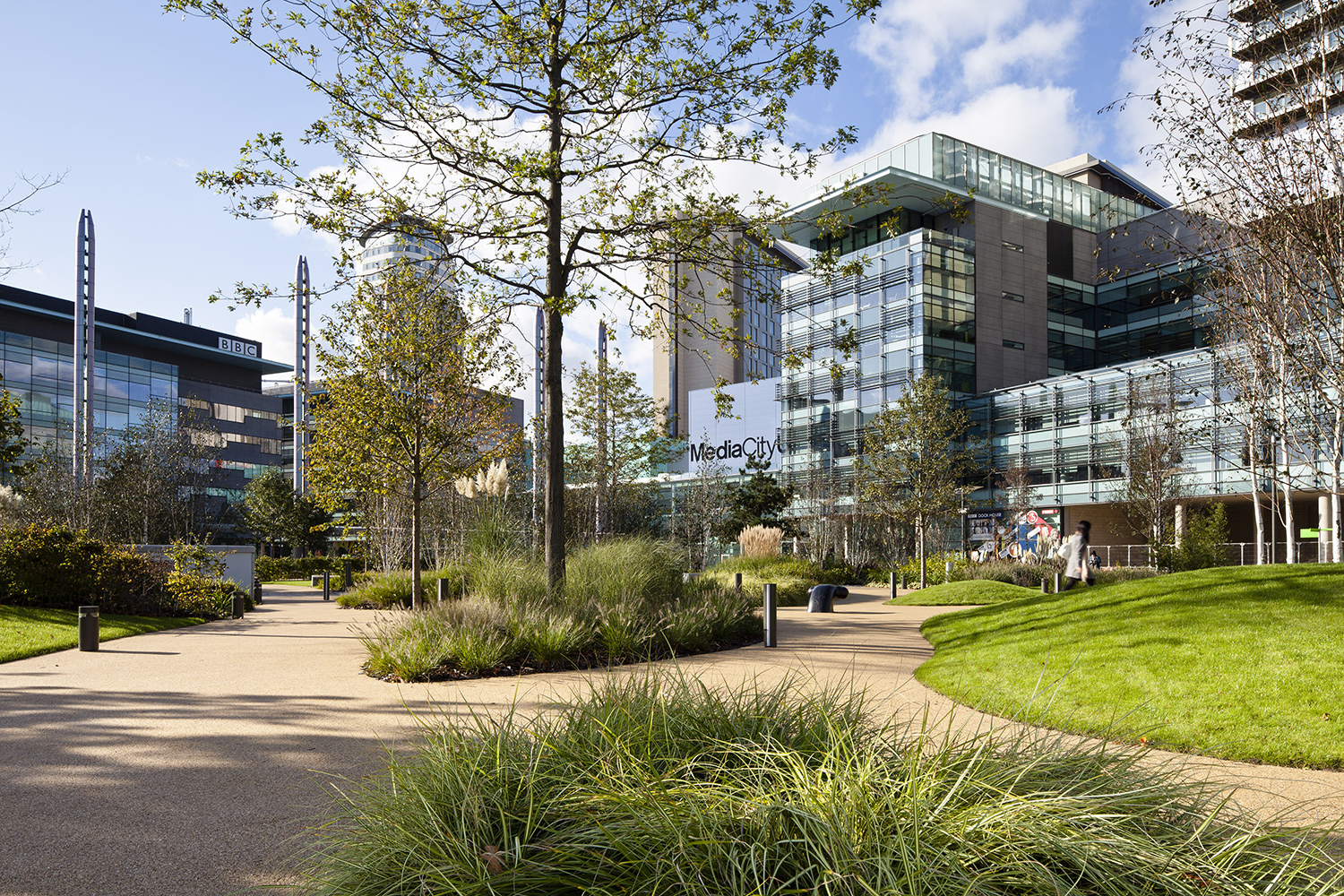
There are a large number of options for certifying a building as “sustainable”, yet only LEED Certification frames sustainability within a broad sense of well-being for both people and the environment in general. LEED takes into account the building's energy and water consumption during its useful life, but also addresses the environmental impact of the materials used during its construction, and its capacity to generate energy in situ and the quality of the indoor environment in which the occupants will live, work or enjoy themselves.
What are the areas covered by LEED Certification?
The LEED Certification consists of 8 areas of action, each including a series of measures. Some of these measures are mandatory and others optional for achieving certification. These are the areas of LEED Certification and the objectives of each of them:
- Location and transportavoid development in inappropriate or environmentally sensitive locations; reduce single-occupant vehicle trips; promote physical activity among individuals; reduce the building's impact on the environment; promote the health of adjacent areas; protect nearby wildlife; promote alternative transport systems; reduce the impact produced by parking areas.
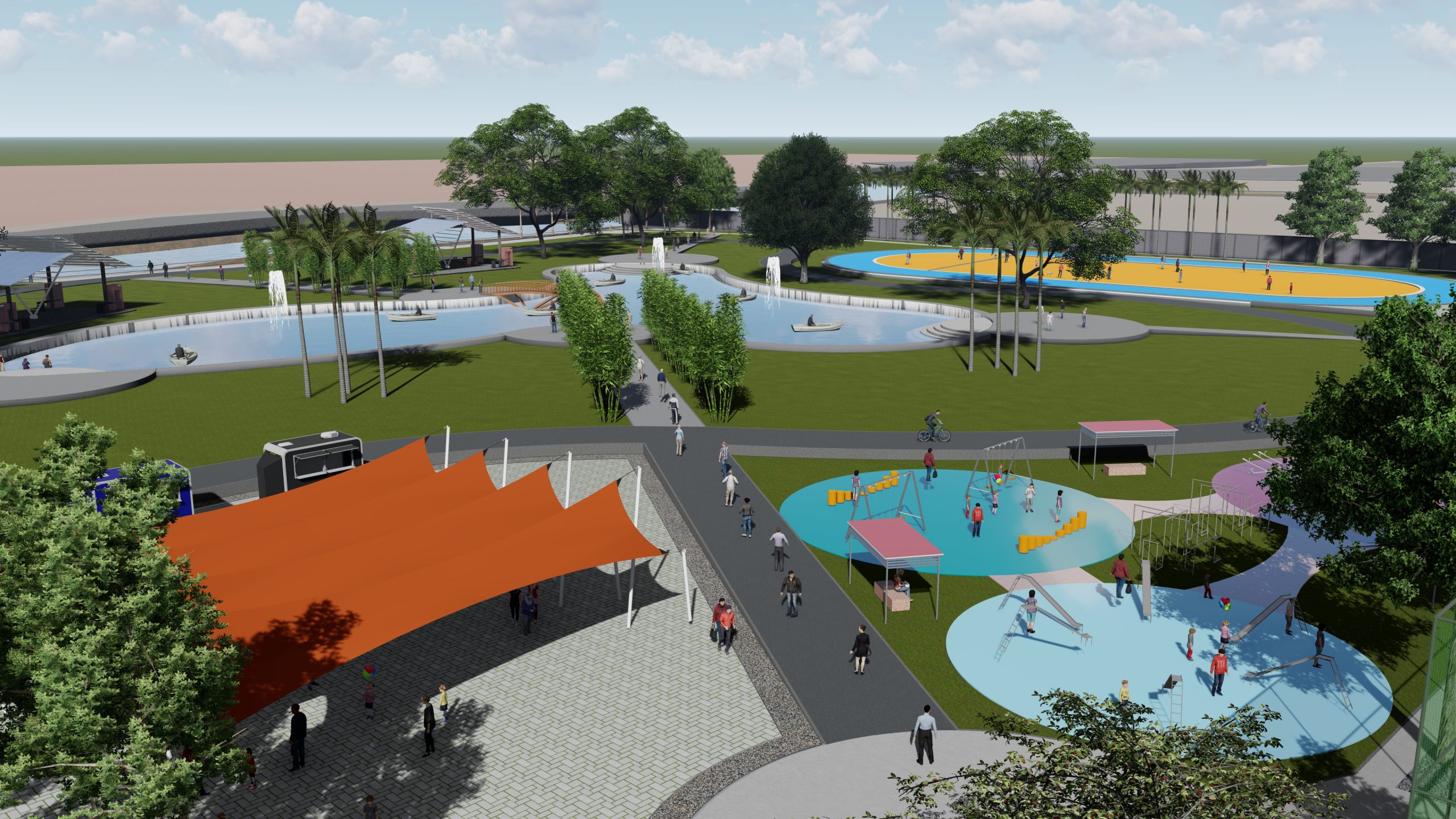
- Sustainable placesreduce pollution from construction activities; protect vulnerable populations; conserve natural areas and restore affected areas, allow interaction between natural environments; avoid water wastage; reduce light pollution.
- Water use efficiencyreduce outdoor and indoor water use; optimise water use during construction; provide water storage; optimise treatment and cooling systems.
- Energy and atmosphere: ensure minimum energy use; use energy efficiently during construction; avoid atmospheric pollution with certain compounds; produce renewable energy; reduce CO2 emissions; incorporate new technologies.
- Resources and materialsincorporate recycling systems; decrease construction and demolition waste; reduce the use of materials that incorporate certain components; reduce the impact of the building's lifecycle; reduce the environmental impact of materials and equipment.
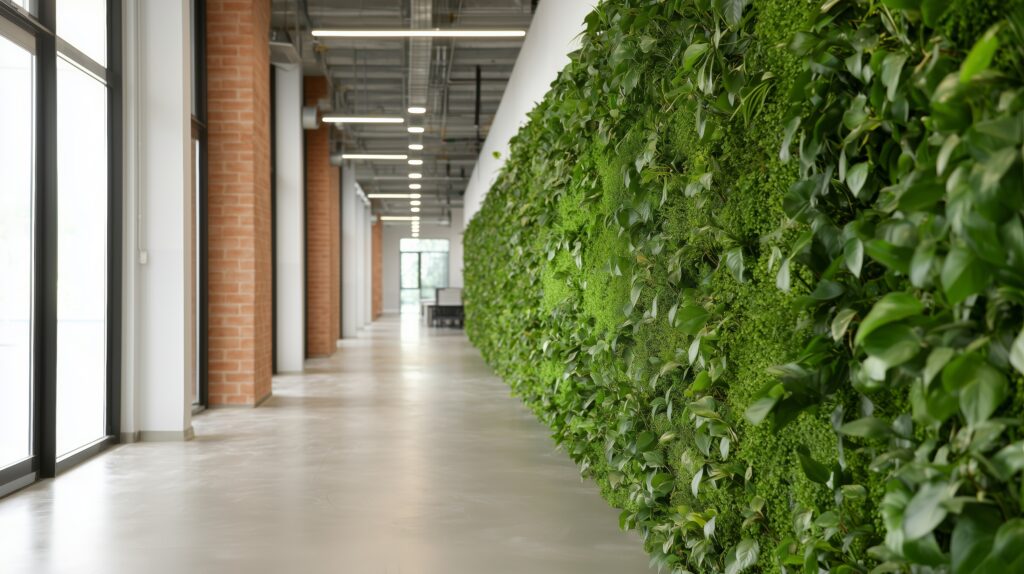
- Indoor environmental qualityensure indoor air quality; optimise acoustic quality according to use; achieve greater thermal and lighting control; make the most of sunlight; achieve a connection with natural environments.
- Innovationachieve breakthroughs in innovative categories.
- Local priority: to achieve improvements in particularly high-priority areas in the zone where the building is located.
Projects aiming for LEED Certification must earn points in these areas, and based on the number of points obtained, a project receives one of the four LEED certification levels: Certified, Silver, Gold or Platinum.
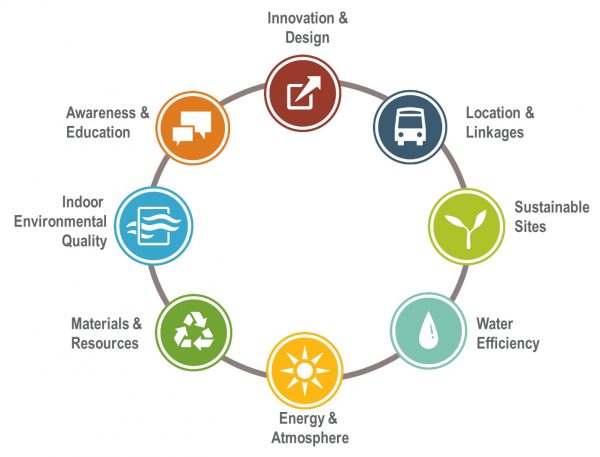
Source: www.greenlivingllc.com
What are the benefits of LEED certification?
Return on investment
The USGBC itself explains that “with LEED certification, a building reduces its energy use by between 30% and 70%, its water use by between 30% and 50%, between 50% and 80% of waste costs, and 35% of CO₂ emissions”. In addition to energy efficiency, there are purely economic benefits, as, as well as delivering considerable financial savings on energy costs, a LEED project increases rental and resale value. Many international companies only consider buildings with LEED certification when establishing their headquarters.
Marketing
A LEED-certified building is a very powerful marketing tool that demonstrates a project's commitment to sustainable development and the health of the planet. The seal guarantees that this dedication has been recognised by the most prestigious organisation for the implementation of sustainability globally. In this way, LEED-certified buildings become a benchmark that promotes the values of environmental respect and an example to be followed in the community.
Quality standard
In a sector such as construction, where quality standards are extremely variable, through the development of a LEED Certification process, the project ensures compliance with stringent international construction quality criteria that will guarantee the sustainability, health and wellbeing of the project.
Who can obtain LEED Certification?
There are currently more than 90,000 projects that have undergone a LEED certification process in over 165 countries. LEED certification serves various types of projects ranging from communities, through existing building renovations and interior design, to the design and construction of new buildings.
LEED+WELL: The perfect match
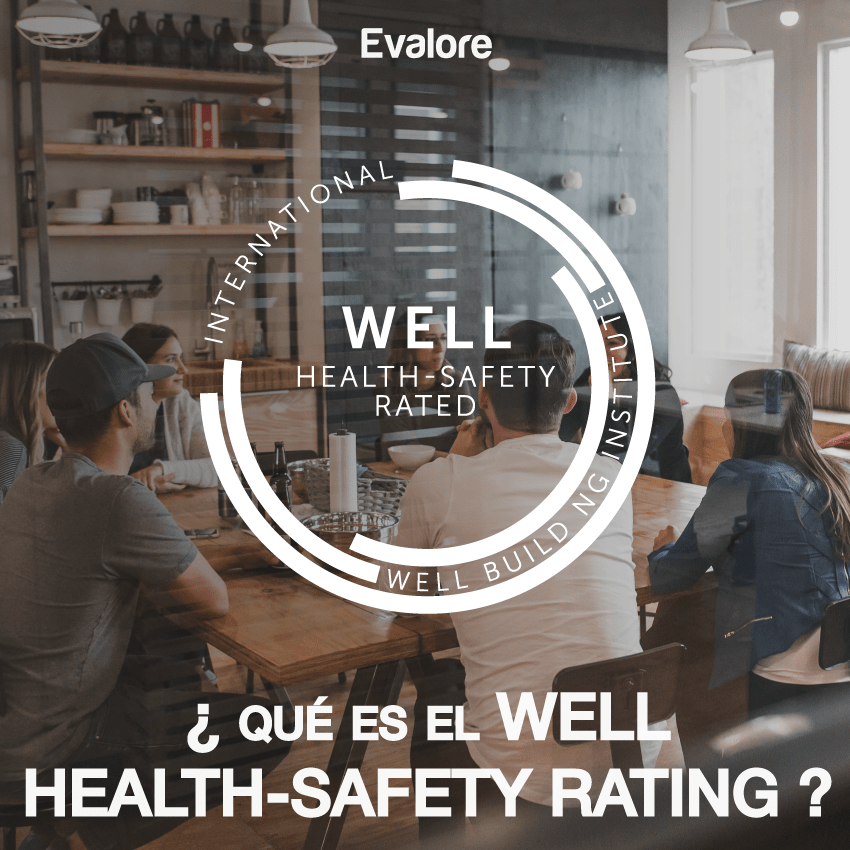
The WELL Certification, created by the International WELL Building Institute (IWBI) and also administered by the GBCI, is very similar in concept to LEED certification; however, unlike LEED, WELL certification sets architectural standards with a focus on ensuring the health and wellbeing of occupants. LEED v4 and WELL v2, the current versions of each standard, share around 15% of common requirements, and both certifications are perfectly complementary and applicable to both entire buildings and individual spaces within them; consequently, many projects choose to implement them together. When this happens, the building’s performance is optimised for the benefit of the environment and the health of its occupants.
LEED and WELL are perfectly complementary and applicable to both entire buildings and independent spaces within them, which is why many projects choose to implement them together.
How much does LEED certification cost?
LEED certification costs can be split into three: certification costs to pay the USGBC, consultancy costs, y implementation costs. Certification costs depend on the type of project and are in line with its size, although they are generally lower than those for WELL Certification, as they do not require a final site visit by the certifying body. Consultancy costs will depend on the company hired to manage the certification process for your project. Implementation costs—that is, those resulting from project improvements to meet LEED requirements—depend on the project's starting point and the consultancy firm's ability to identify areas for financial savings. At Espacios Evalore we carry out LEED consultancy processes and help you reduce implementation costs. In our experience, these do not usually result in an increase of more than 2 to 5% of the works budget.
Implementation costs depend largely on the consultancy firm’s ability to identify areas for savings. In our projects, they do not usually result in an increase of more than 2 to 5% of the material implementation budget.

Israel Leal Vegas
Architect, Evalore Spaces